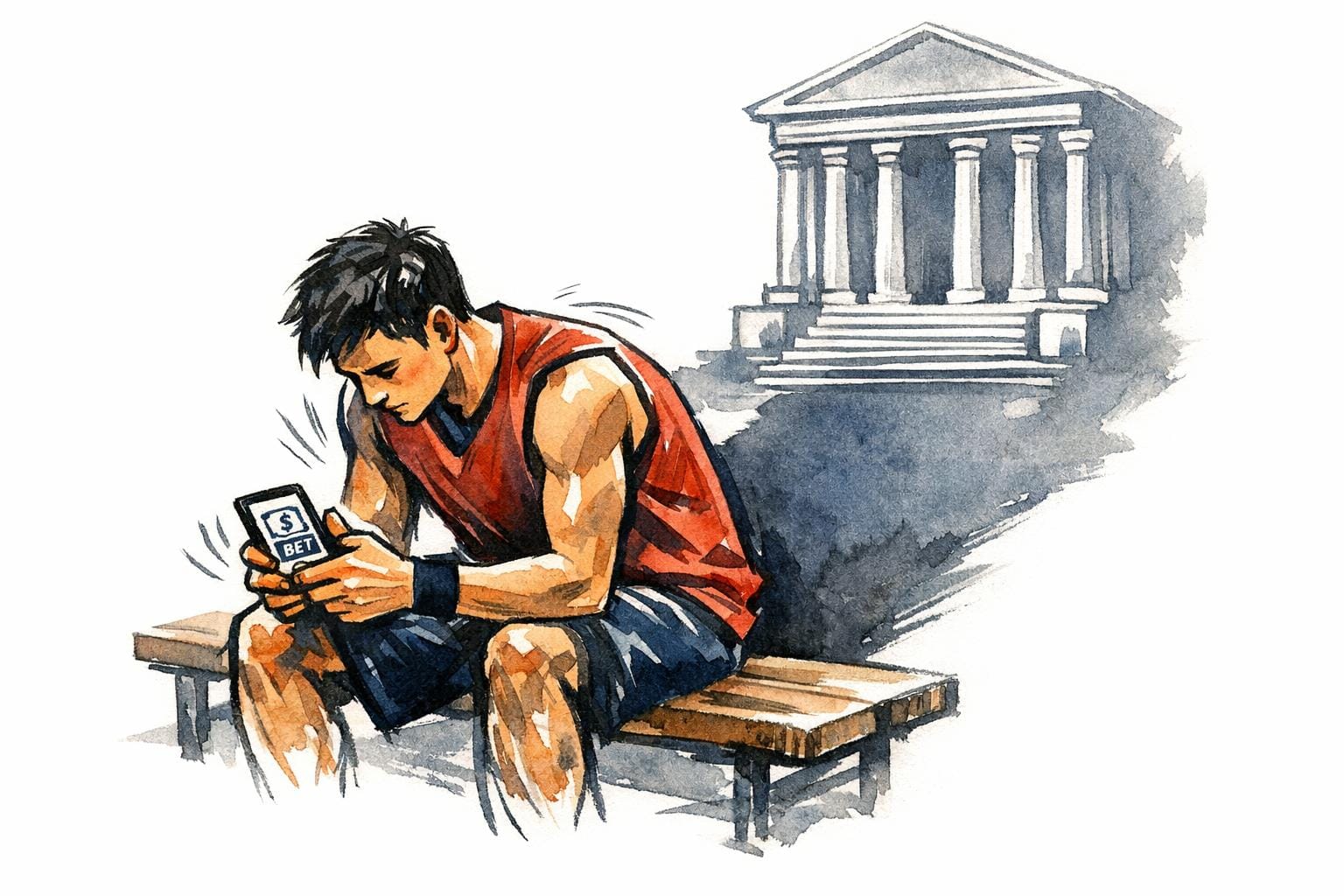
Federal indictments reveal rising sports betting risks in collegiate athletics
Federal authorities have unveiled charges against 26 individuals, including more than 15 former NCAA Division I men’s basketball student-athletes, exposing an alarming scheme that underscores the growing risks of sports wagering in college athletics. The defendants are accused of participating in what prosecutors describe as an "international criminal conspiracy" to fix basketball games.
According to the indictments, members of a betting group recruited players to manipulate the outcomes of Chinese Basketball Association (CBA) games during the 2022-2023 season. The alleged scheme expanded to involve NCAA Division I student-athletes, who were recruited to intentionally underperform - known as "point shaving" - in basketball games during the 2023-2024 and 2024-2025 seasons.
How the scheme worked
Prosecutors allege that the student-athletes involved were offered between $10,000 and $30,000 per game as bribes, which were intended to rival or exceed legitimate Name, Image, and Likeness (NIL) compensation opportunities. The organizers reportedly placed significant wagers on these rigged games through both legal and illegal sportsbooks. Investigators uncovered extensive digital evidence, including text messages, social media communications, and video calls, that prosecutors say connects the individuals involved in the scheme.
The charges against the accused include bribery in sporting contests (18 U.S.C. § 224), conspiracy to commit wire fraud (18 U.S.C. § 1349), wire fraud (18 U.S.C. § 1343), and aiding and abetting (18 U.S.C. § 2). If convicted, the defendants face potential imprisonment and substantial financial penalties.
Although the indictments do not implicate institutional employees, the case highlights the increasingly complex risks to colleges and universities posed by the rise of legalized sports betting.
The NCAA's stance on sports wagering
The NCAA strictly prohibits any sports wagering by student-athletes, athletic staff, or non-athletic staff with athletics duties, as outlined in NCAA Bylaw 10.3. This ban applies to amateur, collegiate, and professional sports, as well as the sharing of information with individuals involved in sports betting.
While there was an effort in the fall of 2024 to allow student-athletes and staff to bet on professional sports, the proposal was ultimately rescinded by a two-thirds vote of the Division I membership before it could take effect.
The NCAA has also revised its penalty structure for sports wagering violations. Depending on the specifics of the situation, participating student-athletes may face penalties such as mandatory educational programs, suspension, or permanent loss of eligibility.
Institutional responsibilities
The indictments serve as a stark reminder for colleges and universities to bolster safeguards against the risks associated with sports betting. Institutions are encouraged to take several proactive steps to minimize their exposure:
-
Understand state sports wagering laws
Regulations vary across states, particularly regarding behaviors deemed prohibited, such as attempts to influence game outcomes. States like North Carolina and Kansas have specific restrictions for coaches, athletes, and staff regarding sports betting. -
Establish clear institutional policies
Athletic departments and institutions should consider implementing comprehensive policies on sports wagering that clearly define expectations and outline disciplinary consequences. These policies may go beyond existing NCAA regulations. -
Enhance education and prevention programs
Educational programs should emphasize the NCAA’s prohibition on sports wagering and address risks such as third-party outreach via digital communication. The NCAA offers a free e-learning module designed to educate on the harms and risks of sports betting. -
Strengthen reporting and response protocols
Institutions should establish clear procedures for reporting and handling sports wagering concerns. Effective protocols include internal reporting mechanisms, preserving digital evidence, and involving outside counsel or law enforcement when necessary.
These measures aim to reduce the potential for NCAA penalties while ensuring the integrity of collegiate sports remains intact. As the legal sports betting landscape continues to evolve, colleges and universities must remain vigilant in addressing these growing challenges.
Conclusion
The recent federal indictments highlight the increasing complexities and potential dangers of sports wagering in collegiate athletics. As institutions navigate this expanding landscape, proactive measures, education, and robust policies are critical to ensuring compliance and protecting the integrity of the games. The case serves as a sobering reflection on the vulnerabilities that exist in the world of college sports, underscoring the need for constant vigilance and strict oversight.
Ready to bet smarter?
WagerProof uses real data and advanced analytics to help you make informed betting decisions. Get access to professional-grade predictions for NFL, College Football, and more.
Get Started Free